Gluti
Eating gluten-free in Wuppertal
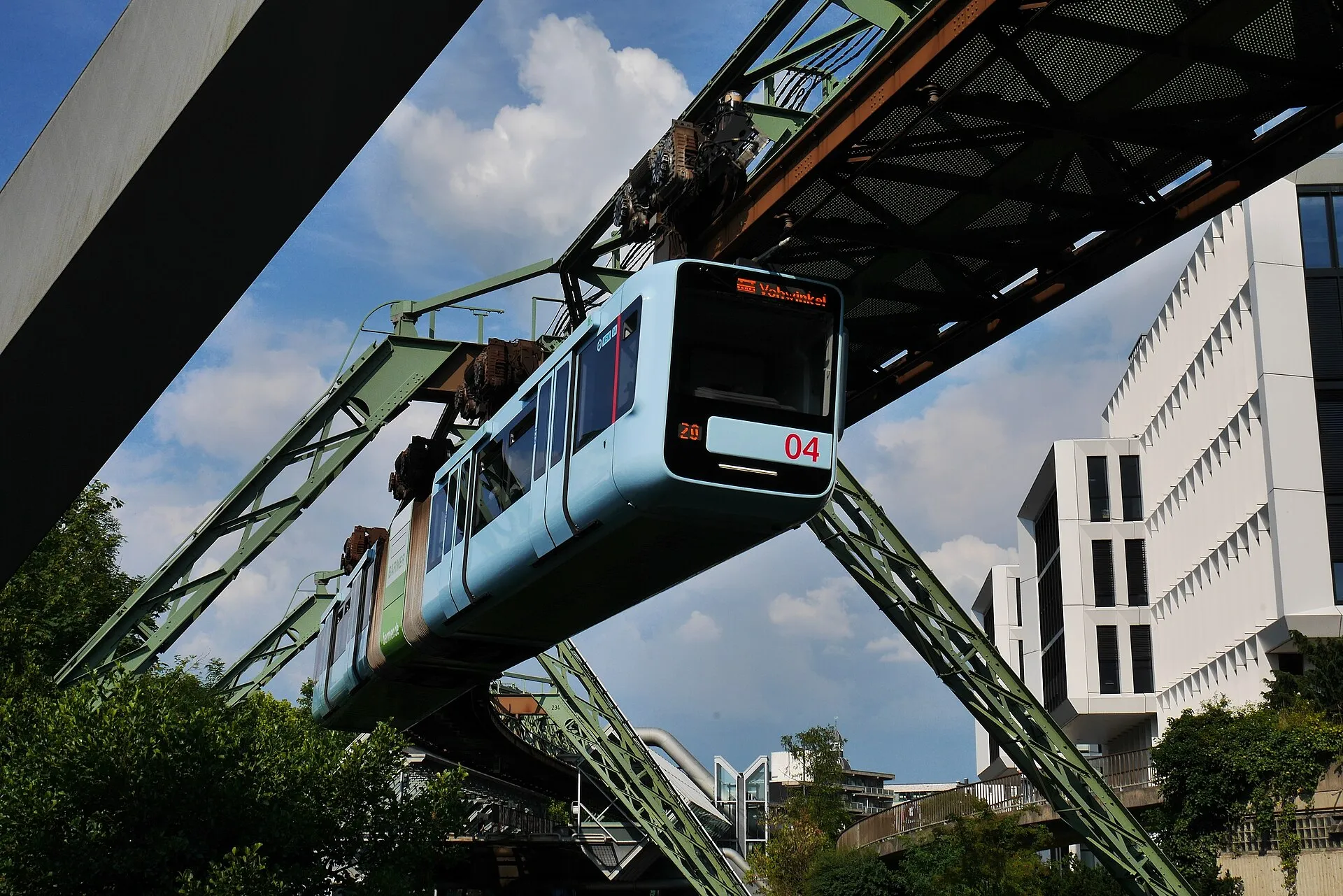
Wuppertal is the city of the suspension railway, stretched out along the valley of the Wupper, with Solingen and Remscheid right next door. The cooking of the Bergisches Land is down to earth, and the gluten is often in the dough, the bread and the thickening.
Gluti offers guidance and is not a medical device. Its information does not replace medical advice.
Which places in Wuppertal have been checked?
15 places in and around Wuppertal have been checked by the Gluti team, within roughly 15 kilometres.
By kind
- 7 bakeries and patisseries
- 3 ice cream parlours
- 2 Italian restaurants and pizzerias
- 1 café
- 1 restaurant
- 1 snack bar or pub
Which places these are, with a map and the month they were checked, is in the app. The numbers here change as soon as new places are checked.
Can you eat out gluten-free in Wuppertal?
Yes, and the Bergisches Land is a pleasant surprise here: many of the checked places work with separate preparation rather than just offering the odd gluten-free dish. A large share of them are bakeries and cafés, so more for breakfast and coffee than for dinner, and the choice is spread out across Elberfeld and Barmen, Wuppertal’s two centres, and across Solingen and Remscheid. So look at the map beforehand and allow for the journey.
What the allergen information tells you is not quite enough. It has to say which of the 14 allergen groups is in a dish as an ingredient or a processing aid, naming the cereal itself in the case of gluten. It may be given verbally, in which case a written or electronic record has to exist and be made available to you on request. What it leaves out is everything that joins the dish while it is being cooked: the pan that held breaded food before, the fryer shared by chips and schnitzel, the waffle iron that usually bakes wheat batter. That is the part you have to ask about.
What should I know about Wuppertal?
The first thing is the valley. Wuppertal stretches long and narrow along the Wupper, and the suspension railway (Schwebebahn) links the districts along this axis. Elberfeld, with the Luisenviertel, and Barmen each have their own centre and their own places to eat. The slopes rise steeply, often by way of steps. If you want to change places in the evening, you soon find that somewhere that looks close on the map can still be half an hour away.
The second thing is the neighbours. Wuppertal, Solingen and Remscheid form the Bergisch city triangle, and a good share of the checked places is in Solingen. The S7 S-Bahn line, known as “Der Müngstener”, links the three cities. So save places in Solingen too if you are staying in Wuppertal, and the other way round.
And the third: the University of Wuppertal and many young people bring places serving bowls, burgers and vegan food, above all around the Luisenviertel. That widens your choice, but vegan does not mean gluten-free. Seitan is wheat protein, and many meat substitutes are bound with wheat.
Which Bergisch dishes contain gluten?
The cooking of the Bergisches Land shares a great deal with the Rhineland and the Ruhr, and the gluten is often where you cannot see it:
- Bergische Kaffeetafel (Bergisch coffee table): The region’s big afternoon spread: waffles with hot cherries and cream, raisin bread (Rosinenstuten), dark rye bread, rusks, with butter, quark, apple or sugar beet syrup spread, rice pudding and coffee from the Dröppelminna, a pewter pot with a little tap. Waffles, raisin bread, bread and rusks are made from wheat or rye, which is most of the table. Rice pudding, quark and the syrup spread contain no cereal, but they sit on the same table as the bread.
- Reibekuchen (potato pancakes): Flat fritters of grated potatoes and onions, fried in fat, in the Bergisches Land often with apple sauce or on dark rye bread. Flour belongs to the basic recipe, because flour, salt and egg go in once the liquid has been pressed out. Assume there is flour in the mixture unless the kitchen confirms a recipe without it, and ask about the fat it is fried in.
- Panhas: A mixture of sausage stock, meat and flour that sets firm, is cut into slices and fried in a pan. Buckwheat flour is the traditional choice, and buckwheat is naturally gluten-free. Shop-bought Panhas sometimes contains wheat flour, though, and regional versions such as Bochum Panhas add pearl barley as well. Without an ingredient list Panhas therefore counts as uncertain, and the pan matters as well.
- Stielmus, also Rübstiel: A vegetable of the stalks and leaves of young turnips, braised and mixed with mashed potatoes. There is no fixed recipe, so flour is not a given here, but it is not ruled out either. It often comes with sausage and a sauce, and that is often thickened with flour, so ask about it.
- Gravy and soups: Plain country cooking thickens with a roux, and a thickened sauce cannot be rescued afterwards. Agree on a swap for starch before anything is cooked, or order the dish without the sauce.
- To drink: Beer made from barley or wheat contains gluten unless it says “gluten-free” explicitly. Malt beer and other malt drinks are made from barley malt and contain gluten. Wine and sparkling wine are naturally gluten-free. With anything containing syrup, ask.
Your best bets are meat, fish, vegetables, potatoes and salad without breading and without a thickened sauce. Ask about the preparation there too, for instance whether things are fried in the same pan.
What should I watch for at a coffee table and on day trips?
You find the Bergisch coffee table mostly at country inns and cafés popular for outings, and the whole idea is that everything stands on one table. For you that means crumbs from the raisin bread in the quark, a knife that travels from the bread to the syrup spread, waffles from an iron that usually bakes wheat batter. If you are invited to one, ask the place beforehand whether there are gluten-free waffles or gluten-free bread, and have your rice pudding, quark and spread served in bowls of your own before anyone else helps themselves.
For trips into the surrounding countryside, say to Schloss Burg in Solingen, to the Müngsten Bridge or along the Nordbahntrasse, a cycling and walking path on a former railway line, the same applies as anywhere: at a kiosk or snack stand one fryer serves everything, and even when a dish’s ingredients are gluten-free in themselves, cross-contamination there is next to impossible to rule out. Bring something with you, and eat afterwards somewhere you know.
How does Gluti help me in Wuppertal?
In Gluti you can see on the map which places in Wuppertal, Solingen and Remscheid are listed. Every place is checked by the Gluti team before it appears. The level tells you how a place works: “100% gluten-free”, “Separate preparation” or “Gluten-free options”. For many places you can also see whether other people would eat gluten-free there again and what they were able to eat.
Because the places are spread across three cities, saving them pays off especially here: one favourite in Elberfeld, one in Barmen and one in Solingen, and you will not have to start searching in the evening. If you know a good place in the Bergisches Land that is missing from Gluti, you can suggest it in the app.
Even checked information is no guarantee, because things can change in a kitchen. So ask every time anyway. Which questions work and which answers are a warning sign is in the article What to ask in a restaurant, and the background on fryers, pizza ovens and toasters is in the article on cross-contamination. And for talking to others: the German coeliac society (Deutsche Zöliakie-Gesellschaft, DZG) runs volunteer-led discussion groups across the country, and the DZG can tell you whether there is one in the Bergisches Land.