Gluti
Eating gluten-free in Bern
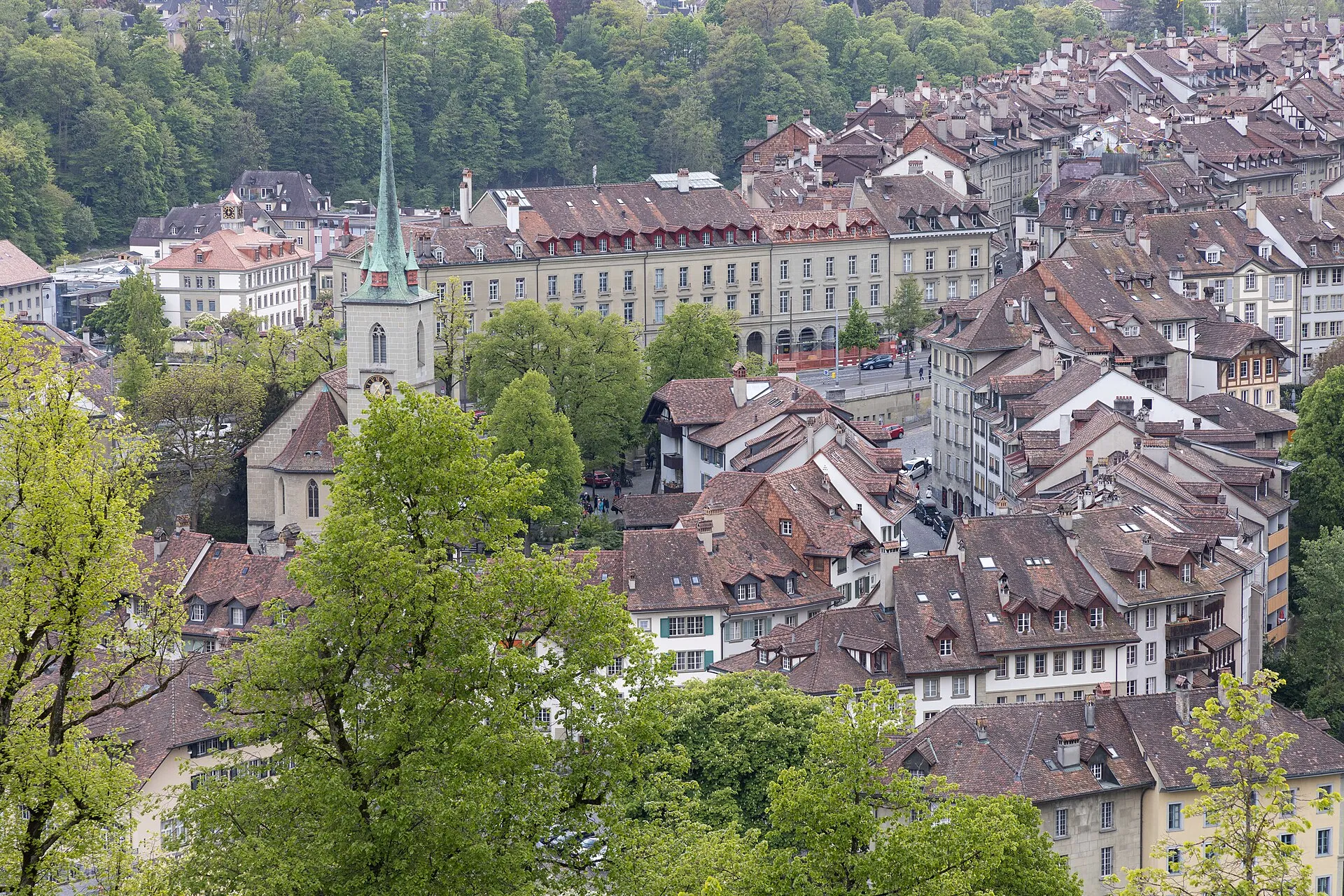
Bern sits in a loop of the Aare, has an old town full of arcades and, as the federal city, is the seat of Switzerland’s government and parliament. Bernese cooking is hearty and honest, with plenty of potatoes, meat and cheese. The gluten is mostly in the baking, the pastry and the sausages.
Gluti offers guidance and is not a medical device. Its information does not replace medical advice.
Which places in Bern have been checked?
16 places in and around Bern have been checked by the Gluti team, within roughly 15 kilometres.
By kind
- 7 Italian restaurants and pizzerias
- 2 bakeries and patisseries
- 2 cafés
- 2 restaurants
- 2 snack bars and pubs
- 1 other place
Which places these are, with a map and the month they were checked, is in the app. The numbers here change as soon as new places are checked.
Can you eat out gluten-free in Bern?
Yes. Bern is smaller and quieter than Zurich, but coeliac disease is familiar to many kitchens here too. There are restaurants that mark gluten-free dishes on the menu, and cafés and bakeries that offer gluten-free bread or baking. The old town is compact, and by tram, bus and on foot you can reach most things quickly. Under the arcades, the covered walkways along the streets known as Lauben, you stay dry even when it rains.
Switzerland is not part of the EU, but its rules are similar. In Bern too, restaurants must be able to tell you whether a dish contains gluten. Often this is not printed on the menu; instead a note says that staff can give you the information. So asking is expected. What the information does not cover is the same as anywhere: the fryer, the pan, the board the bread is cut on. You have to ask about those yourself.
What should I know about Bern?
The first thing is the prices. Eating out in Bern is expensive, as it is all over Switzerland, and gluten-free bread or pasta often costs extra on top. For a longer stay, accommodation with a kitchen is worth it. The large supermarkets stock gluten-free products, often under their own brands and on a shelf of their own. Go by the label on the packet, not by the shelf alone.
The second thing is the language. In Bern people speak Bernese German, but they write and understand standard German. French-speaking Switzerland begins not far from the city, and many people in Bern speak French as well. The menu has a few words of its own: a Gipfeli is a croissant, a Weggli a soft bread roll, and in Bern the plaited loaf is called Züpfe. Chnöpfli are spätzle made from wheat flour.
And the third: sausages and baking. Bernese cooking has many sausages and plenty of sweet baking. With sausages, whether there are cereal binders inside depends on the maker; with baking, wheat flour is almost always the base. Wherever an ingredients list is available, it is worth a look.
Which Bernese dishes contain gluten?
In Bernese cooking the gluten hides less in the sauce than in the pastry, the bread and the sausages:
- Berner Platte (Bernese platter): A large platter of different meats and sausages, with sauerkraut, beans and potatoes. Meat, sauerkraut, beans and potatoes contain no cereal in themselves. Ask about the sausages, because whether they contain cereal binders depends on the maker, and whether the beans or the sauerkraut are thickened with flour.
- Zibelechueche (onion tart): The Bernese onion tart, a pastry base with onions, eggs and cream, especially around the Zibelemärit. The base is made from wheat flour.
- Berner Züpfe (Bernese plaited loaf): The Zopf, a plaited butter loaf served on Sundays and at breakfast. It is baked from wheat flour.
- Berner Haselnusslebkuchen (Bernese hazelnut gingerbread): A gingerbread with plenty of ground hazelnuts, often decorated with a bear in sugar icing. Most recipes add flour. Without an ingredients list, assume it contains gluten.
- Meringue mit Rahm (meringue with cream): Baked egg white and sugar with whipped cream, a dessert from the Bernese Oberland. Egg white, sugar and cream contain no gluten in themselves. Ask anyway, because meringues often come from a bakery where there is a lot of flour about, and sometimes a wafer or biscuit comes on the side.
- Gschwellti (jacket potatoes): Potatoes boiled in their skins, with cheese and butter. A simple dish with no cereal at all. Just ask whether bread is served with the cheese and sits on the same board.
- To drink: Wine, apple juice and Most, apple cider, are naturally gluten-free. Beer made from barley or wheat contains gluten unless it says “gluten-free” explicitly. Malt drinks are made from barley malt and contain gluten, and that includes the malt powder invented in Bern, which many cafés serve as a hot malted chocolate drink.
Your best bets are grilled meat, potatoes, salad, cheese and vegetables without breading. Ask about the preparation there too.
What should I watch for at the Zibelemärit and the markets?
The Zibelemärit, the onion market on the fourth Monday in November, is the city’s best-known festival. From early in the morning, stalls with plaited strings of onions fill the streets, along with onion tart, onion soup, mulled wine and confetti. For you this means: the onions and onion plaits are fine to take home, but almost everything to eat at the stalls comes with pastry or bread. For that day, plan a meal you bring yourself or a restaurant you have chosen in advance.
On ordinary market days, too, there are stalls in the centre with fruit, vegetables, cheese and meat. Fresh fruit and vegetables, cheese from the block and dried meat make a good base for a picnic by the Aare. For sausages, baking and anything ready-made, ask about the ingredients, and watch whether bread and cheese are cut with the same knife.
Hotel breakfast is often a buffet with Gipfeli, bread and Züpfe, and the tongs travel from basket to basket. Write to the hotel before you arrive to say you have coeliac disease, and ask whether there is gluten-free bread and where it will be.
What do I say in a restaurant?
In Bern you can speak standard German, and “Ich habe Zöliakie” (I have coeliac disease) is understood. Say what matters: no flour, no breadcrumbs, no ordinary oats, and a separate fryer or pan. And say that even a small amount harms you. Many restaurants also understand English, and if you travel on into western Switzerland, French will help you further.
The card to show works in Bern in German or English, printed out or as a picture on your phone. It can go into the kitchen as it is. Which questions work in general is in the article What to ask in a restaurant.
How does Gluti help me in Bern?
In Gluti you can see on the map which places in and around Bern are listed. Every place is checked by the Gluti team before it appears. The level tells you how a place works: “100% gluten-free”, “Separate preparation” or “Gluten-free options”. For many places you can also see whether other people would eat gluten-free there again and what they were able to eat.
Save a few favourites near where you are staying before your visit, plus a bakery for breakfast, and you will not have to start searching. If you know a good place in Bern that is missing from Gluti, you can suggest it in the app.
Even checked information is no guarantee, because things can change in a kitchen. So ask every time anyway. The background on fryers, pizza ovens and toasters is in the article on cross-contamination, and what to think about for the journey is in the guide to travelling gluten-free.