Gluti
Eating gluten-free in Karlsruhe
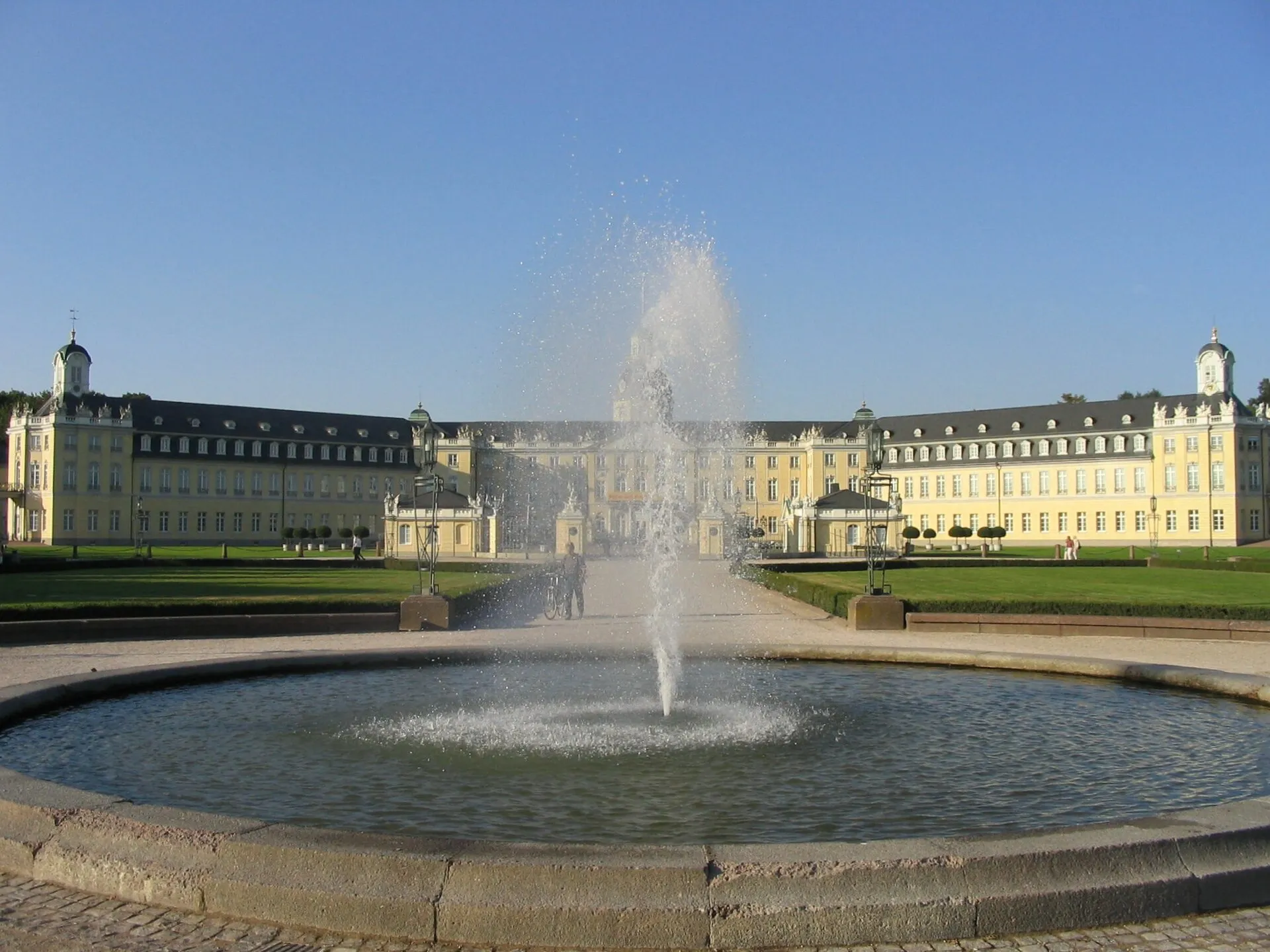
Karlsruhe is the fan city: from the palace the streets radiate out into the town. It is home to Germany’s Federal Constitutional Court and Federal Court of Justice, a large technical university and a Baden cuisine that cooks well and likes to use flour.
Gluti offers guidance and is not a medical device. Its information does not replace medical advice.
Which places in Karlsruhe have been checked?
10 places in and around Karlsruhe have been checked by the Gluti team, within roughly 15 kilometres.
By kind
- 4 cafés
- 3 Italian restaurants and pizzerias
- 2 restaurants
- 1 snack bar or pub
Which places these are, with a map and the month they were checked, is in the app. The numbers here change as soon as new places are checked.
Can you eat out gluten-free in Karlsruhe?
Yes, and the city makes it easy with short distances. The centre between the palace, the market square and Kaiserstraße is compact, and the tram gets you quickly to the Südstadt, the Oststadt or Durlach, a formerly independent town to the east with an old town of its own. Most of the checked places offer gluten-free options rather than cooking entirely gluten-free. So the choice is there, and the asking stays.
What the allergen information tells you is not quite enough. It has to say which of the 14 allergen groups is in a dish as an ingredient or a processing aid, naming the cereal itself in the case of gluten. It may be given verbally, in which case a written or electronic record has to exist and be made available to you on request. What it leaves out is everything that joins the dish while it is being cooked: the pan that held breaded food before, the water Spätzle cook in all evening, the oven where the tarte flambée sits on the stone. That is the part you have to ask about.
What should I know about Karlsruhe?
The first thing is the cooking. Karlsruhe is in Baden, and Baden cooking looks to Alsace on the other side of the Rhine: tarte flambée, cream sauces, Spätzle. In many inns the food is carefully cooked, but rarely without flour. So always ask what a sauce is thickened with, and if in doubt order without.
The second thing is the university. With the KIT, Karlsruhe has one of Germany’s large technical universities and a lot of young people, and with them cafés, lunch menus and places serving bowls, burgers and vegan food. That widens your choice, but vegan does not mean gluten-free. Seitan is wheat protein, and many meat substitutes are bound with wheat.
And the third: Karlsruhe likes to celebrate outdoors. In summer there is Das Fest, a big open-air festival, in Advent the Christmas market in the centre, and in autumn the region brings new wine and onion tart. More on that below.
Which Baden dishes contain gluten?
In Baden cooking the gluten is often not in the meat but in everything that goes with it:
- Badisches Schäufele: Unlike the Franconian one it is not roasted but cured, smoked and boiled, and it comes with potato salad. With the meat it depends on the curing mix, because the German food code generally allows cereal products and starch in meat products. Baden potato salad is dressed with stock, and stock cubes and stock powder can contain wheat. Ask about both.
- Brägele: Baden’s word for fried potatoes. Potatoes, onions and bacon contain no cereal, but in an inn kitchen they often share the pan with breaded food. Ask whether they get a pan of their own.
- Spätzle and Kässpätzle: egg noodles made from flour, egg and often durum wheat semolina; spelt is no way out, it is a type of wheat. Kässpätzle come with fried onions on top, and shop-bought ones contain wheat flour. Gluten-free Spätzle need their own water and their own sieve, because wheat dough cooks in the Spätzle water all evening.
- Flammkuchen (tarte flambée): A thin wheat-flour dough topped with soured cream, onions and bacon, baked in a hot oven. Flour is the foundation here, not the topping. Even a gluten-free base helps little if it sits in the same oven on the same stone as every other tarte flambée.
- Onion tart: Served with the new wine in autumn. The base is a yeast dough made from wheat flour, and flour can go into the topping too. You can drink the new wine, but only eat the tart if it was explicitly baked gluten-free.
- Gravy and soups: Plain country cooking thickens with a roux, and a thickened sauce cannot be rescued afterwards. Agree on a swap for starch before anything is cooked, or order the dish without the sauce.
- To drink: Baden wine, sparkling wine and new wine are made from grapes and are naturally gluten-free, as are fruit brandies. Beer made from barley or wheat contains gluten unless it says “gluten-free” explicitly. Malt beer and other malt drinks are made from barley malt and contain gluten. With anything containing syrup, ask.
Your best bets are meat, fish, vegetables, potatoes and salad without breading and without a thickened sauce. Ask about the preparation there too, for instance whether things are fried in the same pan.
What should I watch for at Das Fest and the Christmas market?
Das Fest is Karlsruhe’s big open-air festival in summer, with stages, big crowds and lots of stalls. People eat standing up and on the grass: chips, sausage in a roll, tarte flambée, pizza. At a stall one fryer or one oven serves everything, and even when a dish’s ingredients are gluten-free in themselves, cross-contamination there is next to impossible to rule out. At Das Fest, food of your own is not a stopgap, it is the plan. Packaged goods with a list of ingredients, and drinks, are the exception you can build on.
The Christmas market is the same, only colder: gingerbread, waffles, tarte flambée and sausage in a roll. Mulled wine is made from wine and usually fine, but ask about ready-made mixes. If you want to eat in the centre in the evening during Advent, book ahead and mention your gluten question as you book.
How does Gluti help me in Karlsruhe?
In Gluti you can see on the map which places in and around Karlsruhe are listed. Every place is checked by the Gluti team before it appears. The level tells you how a place works: “100% gluten-free”, “Separate preparation” or “Gluten-free options”. For many places you can also see whether other people would eat gluten-free there again and what they were able to eat.
Because most places offer gluten-free options, other people’s experiences are especially worth a look: whoever has eaten gluten-free there before can tell how carefully the kitchen works. Save what works as favourites, in the centre and in Durlach, and you will not have to start searching again in the evening. If you know a good place in Karlsruhe or the region that is missing from Gluti, you can suggest it in the app.
Even checked information is no guarantee, because things can change in a kitchen. So ask every time anyway. Which questions work and which answers are a warning sign is in the article What to ask in a restaurant, and the background on fryers, pizza ovens and toasters is in the article on cross-contamination. And for talking to others: the German coeliac society (Deutsche Zöliakie-Gesellschaft, DZG) runs volunteer-led discussion groups across the country, and the DZG can tell you whether there is one in Karlsruhe.