Gluti
Eating gluten-free in Stuttgart
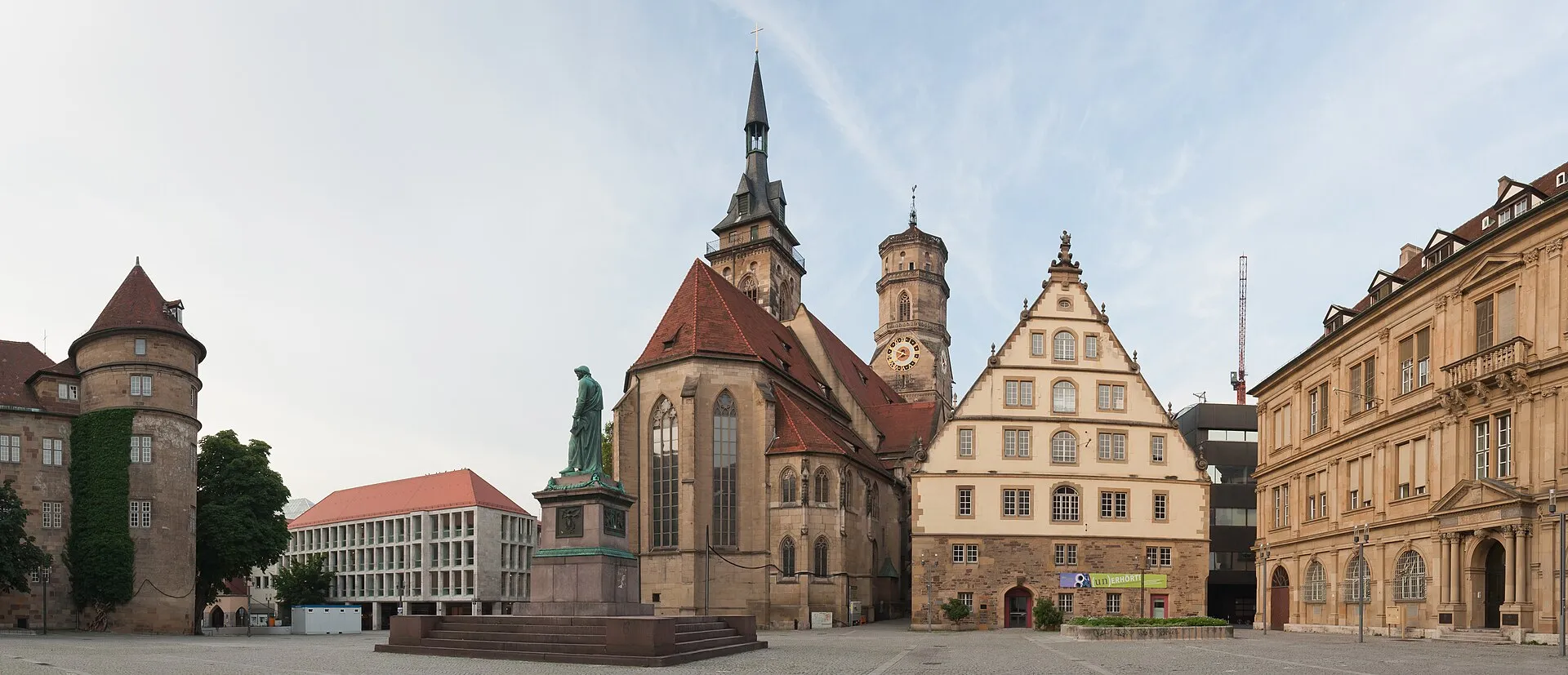
Stuttgart sits in a basin and climbs the slopes around it, with vineyards and woodland above. The choice is manageable, but it is there. Swabian cooking simply takes more questions than most.
Gluti offers guidance and is not a medical device. Its information does not replace medical advice.
Which places in Stuttgart have been checked?
15 places in and around Stuttgart have been checked by the Gluti team, within roughly 15 kilometres.
By kind
- 5 Italian restaurants and pizzerias
- 3 restaurants
- 2 bakeries and patisseries
- 2 cafés
- 1 shop
- 1 snack bar or pub
- 1 vegetarian or vegan restaurant
Which places these are, with a map and the month they were checked, is in the app. The numbers here change as soon as new places are checked.
Can you eat out gluten-free in Stuttgart?
Yes, if you know where you are going beforehand. You will more often find something where the cooking is not Swabian: gluten-free pizza and pasta are on the menu in plenty of the Italian and southern European places. It only becomes reliable, though, once the base is not baked next to floured pizzas on the same stone and the pasta cooks in its own water with its own sieve. Ask about exactly that, not about the menu. A Swabian menu is the opposite, a flour kitchen from Spätzle (scraped egg noodles) through to the Einbrenne (a roux of flour and fat) in the sauce.
You can ask any catering business for allergen information: for unpackaged food it has to tell you about the 14 main allergens, as far as they are used as an ingredient or a processing aid. It may do so verbally, in which case a written or electronic record has to exist and be made accessible to you on request. Ask about flour in the sauce, about bread rolls in the filling and about fried onions, rather than asking in general whether something is gluten-free. What arrives unintentionally, out of the same pan or the same Spätzle water, is in no allergen list.
What should I know about Stuttgart?
Stuttgart is a city of work and trade fairs, and the fairground is not in the centre but out on the Filder plateau near the airport, half an hour away by S-Bahn.
For you that means three things. First: the reliable choice is thin and scattered, some of it in the centre, some of it in the outer districts, so phone ahead rather than looking around once you arrive. Second: the main station is a building site, eating and changing trains there are confusing, so do not plan anything spontaneous. Third: several big events fill the city for weeks, the Frühlingsfest and the Volksfest on the Wasen fairground, the Weindorf wine festival in late summer, the Christmas market from late November. In those weeks, and during trade fairs, tables are scarce; a reservation where you raise your question straight away counts for more than the menu.
Which Swabian dishes contain gluten?
The flour is usually in the dish itself:
- Soups: Flädlesuppe is the standard Swabian starter, and the Flädle are strips of wheat-flour pancake in the broth. The same goes for Maultaschensuppe and Markklößchen (marrow dumplings). A clear broth with nothing in it is possible, and then the question is ready-made stock and stock powder.
- Spätzle and Kässpätzle: egg noodles made from flour, egg and often durum wheat semolina; spelt is no way out, it is a type of wheat. Kässpätzle come with fried onions on top, and shop-bought ones contain wheat flour. Gluten-free Spätzle need their own water and their own sieve, because wheat dough cooks in the Spätzle water all evening.
- Maultaschen: pasta parcels made from durum wheat semolina, flour or spelt, the filling bound with soaked bread rolls, the vegetarian one included. Spooning the filling out still means eating white bread, and starch from the dough floats in the broth.
- Gaisburger Marsch: a stew of meat, potatoes, Spätzle and broth, classically cooked separately and only brought together in the bowl, with hot broth poured over. The gluten comes from the Spätzle, from the onions on top (freshly fried they can do without flour, but they are often dusted with it or come out of a packet) and from the broth when it is made with ready-made stock, powder or paste. Ask about all three, and about whether the Spätzle simmer in the pot, because then leaving them on the plate no longer helps.
- Lentils with Spätzle and Saitenwürstle (thin boiled sausages): lentils contain no gluten but grow mixed in with oats or barley; ask for lentils declared gluten-free. Classically the lentils are thickened with an Einbrenne of flour and fat, so they are only gluten-free if the kitchen cooks them separately without flour or with starch. Then there are the sausages, with their starch or wheat protein. The Spätzle are usually cooked separately and can be left out, but ask whether they are already plated in the lentils.
- Zwiebelrostbraten (steak with fried onions): the meat is not breaded, though some kitchens dust it with flour, and the onions are often turned in flour that later thickens the sauce. Ask about flour on the meat, flour on the onions, and ready-made stock or thickener in the sauce.
- Swabian potato salad: lukewarm and without mayonnaise, dressed with hot stock, vinegar, oil, onions and often mustard. Wheat can be in the instant stock as a carrier, in the mustard and in the fried onions. It almost always stands next to something breaded, out of the same bowl and with the same tongs, so order a portion of your own.
- Filderkraut and sauerkraut: pointed cabbage from the Filder plateau, braised or fermented: the ingredient is unproblematic, the preparation is not always. Some cooks thicken warm cabbage with an Einmach of flour and fat or start it with stock powder, and it often comes out of the same pan as the Schupfnudeln beside it. Those contain wheat flour, durum wheat semolina or both, and are gluten-free only when they are declared as such.
- To drink: wine practically never contains gluten. Beer does, and the only suitable bottles are the ones that say “gluten-free” explicitly.
Your best bets are potatoes, cabbage and lentils without Einbrenne, with meat, fish or vegetables without breading or sauce. More is decided at the Spätzle water and the fryer than on the ingredient list.
What should I watch for at the Stuttgart Weindorf?
In late summer wooden wine arbours stand in the city centre, usually from the second half of August to early September; the dates shift every year. What is served is exactly what is difficult gluten-free: Maultaschen, Kässpätzle, Schupfnudeln, Saitenwürstle, plus Brezeln (pretzels), Hefezopf (sweet plaited yeast bread), Ofenschlupfer (a bread pudding) and Apfelküchle (apple fritters).
Every business has to inform you there too, but a wooden hut at peak time has no room for a second pot. So plan the Weindorf as drinking and not as dinner: a Viertele (a quarter litre glass) is unproblematic, and you are better off eating beforehand somewhere you have checked. The same logic applies to the Frühlingsfest, the Volksfest and the Christmas market.
Quieter are the Besenwirtschaften on the slopes, the taverns winegrowers run for part of the year: a genuine one, a Straußwirtschaft in law, serves only its own wine and only cold food and simply prepared warm dishes; places that are open all year round are ordinary restaurants despite the name. The short menu means little choice, but also a host who buys every ingredient themselves. Phone ahead, because a Besen opens at short notice and on changing dates.
How does Gluti help me in Stuttgart?
In Gluti you can see on the map which places in and around Stuttgart are listed. Every place is checked by the Gluti team before it appears. The level tells you how a place works: “100% gluten-free”, “Separate preparation” or “Gluten-free options”. A few places work entirely gluten-free; in a flour-kitchen city those are the ones to remember.
Even checked information is no guarantee, because things can change in a kitchen. So ask every time anyway. Which questions work is in the article What to ask in a restaurant, and the background on fryers, pizza ovens and toasters is in the article on cross-contamination. For the airport and the trade fair the guide on gluten-free travel helps, and for Brezeln and cake the one on cafés and bakeries. If you know a good place in Stuttgart that is missing from Gluti, you can suggest it in the app. The German coeliac society (Deutsche Zöliakie-Gesellschaft, DZG) has its office in Stuttgart and puts members in touch with volunteer contacts and discussion groups.