Gluti
Eating gluten-free in Ulm
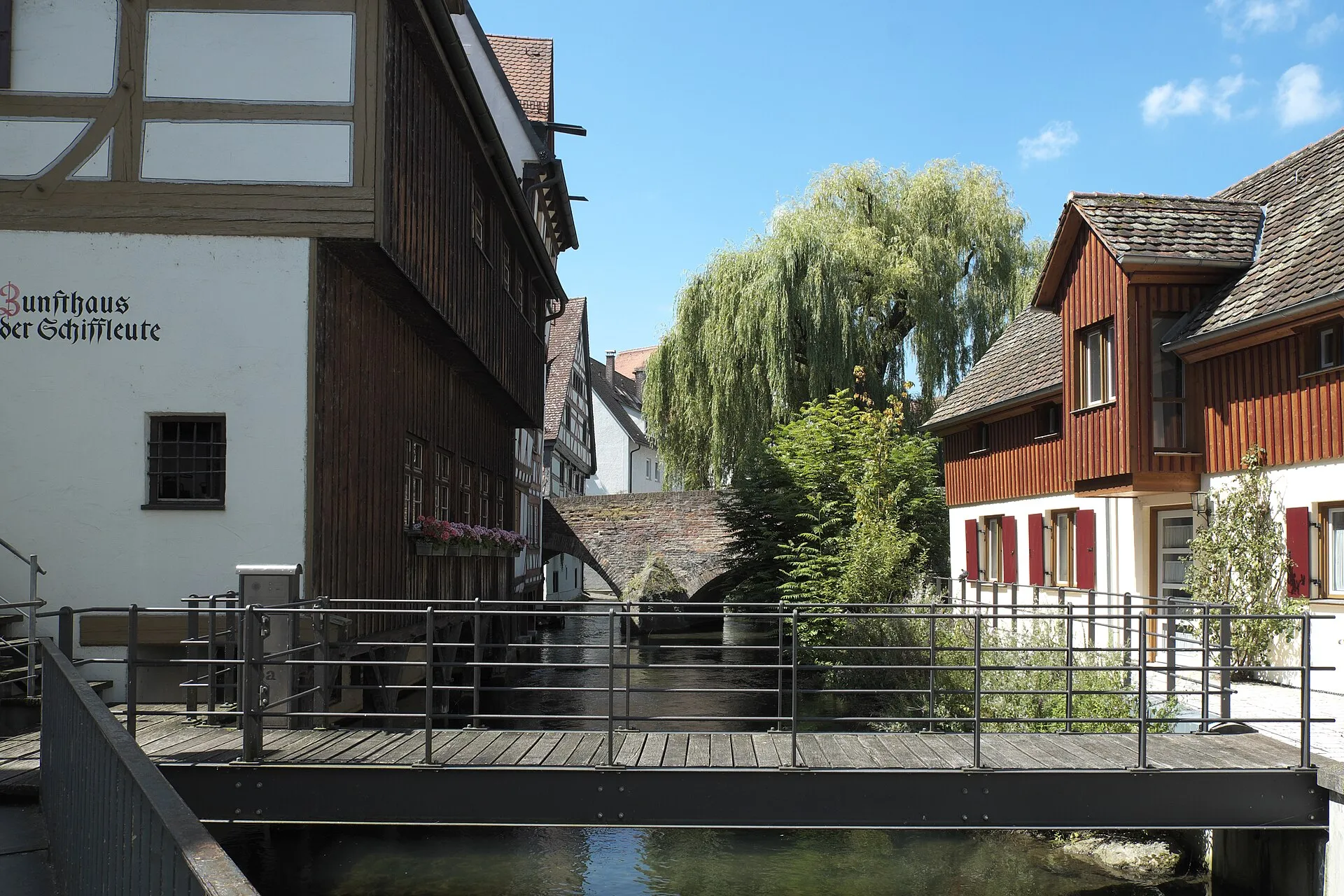
Ulm has the tallest church tower in Germany, a fishermen’s quarter on the river Blau and, just across the Danube, a second town in a different federal state. The cooking is Swabian, and for you that means pasta, stock and bread rolls where you would not expect them.
Gluti offers guidance and is not a medical device. Its information does not replace medical advice.
Which places in Ulm have been checked?
14 places in and around Ulm have been checked by the Gluti team, within roughly 15 kilometres.
By kind
- 4 Asian restaurants
- 3 Italian restaurants and pizzerias
- 3 snack bars and pubs
- 1 bakery or patisserie
- 1 café
- 1 other place
- 1 restaurant
Which places these are, with a map and the month they were checked, is in the app. The numbers here change as soon as new places are checked.
Can you eat out gluten-free in Ulm?
Yes, and Ulm makes it easy with short distances. From the Münsterplatz to the fishermen’s quarter and down to the Danube is a walk of a few minutes, and the bridges take you over to Neu-Ulm on the Bavarian side in no time. The two towns are growing together, and if you want to eat out in the evening, look at both banks. The number of checked places is still modest, though, so plan ahead.
What the allergen information tells you is not quite enough. It has to say which of the 14 allergen groups is in a dish as an ingredient or a processing aid, naming the cereal itself in the case of gluten. It may be given verbally, in which case a written or electronic record has to exist and be made available to you on request. What it leaves out is everything that joins the dish while it is being cooked: the pan that held breaded food before, the water Spätzle cook in all evening, the bowl of potato salad served out with the same tongs as the schnitzel. That is the part you have to ask about.
What should I know about Ulm?
The first thing is the cooking. Ulm is Swabian, and Swabian cooking is one of the hardest for you: Spätzle, Maultaschen and Schupfnudeln are dough, the stock often comes from powder, and many fillings are bound with bread rolls. Your chances are good with roast meat, grilled meat, fish and salad, but rarely with what a Swabian menu recommends first. So ask specifically for sides without dough, and if in doubt order potatoes instead of Spätzle.
The second thing is the Münsterplatz. The minster and its tower stand here, the weekly market runs here on Wednesdays and Saturdays, and in Advent the Christmas market. Add town festivals, concerts and Schwörmontag in July. Then the centre is packed, tables are scarce and kitchens are running flat out. Book on days like that and mention your gluten question as you book.
And the third: Ulm is a university and science city, and the students bring places serving bowls, burgers and vegan food. That widens your choice, but vegan does not mean gluten-free. Seitan is wheat protein, and many meat substitutes are bound with wheat.
Which Swabian dishes contain gluten?
In Swabian cooking the dough is often the main thing, and where it is not, wheat is in the thickening and the stock:
- Maultaschen: Pasta parcels made from durum wheat semolina, flour or spelt, the filling bound with soaked bread rolls, the vegetarian one included. Spooning the filling out still means eating white bread, and starch from the dough floats in the broth.
- Spätzle and Kässpätzle: egg noodles made from flour, egg and often durum wheat semolina; spelt is no way out, it is a type of wheat. Kässpätzle come with fried onions on top, and shop-bought ones contain wheat flour. Gluten-free Spätzle need their own water and their own sieve, because wheat dough cooks in the Spätzle water all evening.
- Lentils with Spätzle and Saitenwürstle (thin boiled sausages): Lentils contain no gluten but grow mixed in with oats or barley; ask for lentils declared gluten-free. Classically the lentils are thickened with an Einbrenne of flour and fat, so they are only gluten-free if the kitchen cooks them separately without flour or with starch. Then there are the sausages, with their starch or wheat protein. The Spätzle are usually cooked separately and can be left out, but ask whether they are already plated in the lentils.
- Zwiebelrostbraten (steak with fried onions): The meat is not breaded, though some kitchens dust it with flour, and the onions are often turned in flour that later thickens the sauce. Ask about flour on the meat, flour on the onions, and ready-made stock or thickener in the sauce.
- Swabian potato salad: Lukewarm and without mayonnaise, dressed with hot stock, vinegar, oil, onions and often mustard. Wheat can be in the instant stock as a carrier, in the mustard and in the fried onions. It almost always stands next to something breaded, out of the same bowl and with the same tongs, so order a portion of your own.
- Ofenschlupfer (bread and apple bake): A bake of stale bread rolls or plaited yeast bread, apples, eggs and milk. The bread is not an extra here, it is the base. It can only be gluten-free with gluten-free bread and a dish of its own.
- Gravy and soups: Plain country cooking thickens with a roux, and a thickened sauce cannot be rescued afterwards. Agree on a swap for starch before anything is cooked, or order the dish without the sauce.
- To drink: Beer made from barley or wheat contains gluten unless it says “gluten-free” explicitly. Wine, sparkling wine and Most, the local cider made from apples or pears, are naturally gluten-free. Malt beer and other malt drinks are made from barley malt and contain gluten. With anything containing syrup, ask.
Your best bets are meat, fish, vegetables, potatoes and salad without breading and without a thickened sauce. Ask about the preparation there too, for instance whether things are fried in the same pan.
What should I watch for on Schwörmontag and at the Christmas market?
Schwörmontag in July is Ulm’s big day. In the morning the mayor takes the oath, in the afternoon thousands drift down the Danube on boats, rafts and inflatables in the Nabada, and the party on the banks goes on into the night. People eat standing up: sausages in rolls, pretzels, fried food. At a stall one fryer or one grill serves everything, and even when a dish’s ingredients are gluten-free in themselves, cross-contamination there is next to impossible to rule out. On that day, food of your own is not a stopgap, it is the plan.
The Christmas market on the Münsterplatz is the same, only colder: gingerbread, waffles, Schupfnudeln from the big pan and sausage in a roll. Mulled wine is made from wine and usually fine, but ask about ready-made mixes. The weekly market, on the other hand, is a good place for you: fruit, vegetables, cheese in one piece and eggs are gluten-free in themselves, and at many stalls you can ask directly what is in the sausage or the spread.
How does Gluti help me in Ulm?
In Gluti you can see on the map which places in and around Ulm and Neu-Ulm are listed. Every place is checked by the Gluti team before it appears. The level tells you how a place works: “100% gluten-free”, “Separate preparation” or “Gluten-free options”. For many places you can also see whether other people would eat gluten-free there again and what they were able to eat.
The list is still short, but that means you can see at a glance which place saves you almost all the asking. Look at both banks of the Danube and save favourites in Ulm and in Neu-Ulm, and on a festival day you will not have to start searching when every table is taken. If you know a good place in Ulm, Neu-Ulm or on the Swabian Jura that is missing from Gluti, you can suggest it in the app.
Even checked information is no guarantee, because things can change in a kitchen. So ask every time anyway. Which questions work and which answers are a warning sign is in the article What to ask in a restaurant, and the background on fryers, pizza ovens and toasters is in the article on cross-contamination. And for talking to others: the German coeliac society (Deutsche Zöliakie-Gesellschaft, DZG) runs volunteer-led discussion groups across the country, and the DZG can tell you whether there is one in Ulm or Neu-Ulm.