Gluti
Eating gluten-free in Munich
Munich is a trade fair city, a beer garden city and, from the strong beer season to the Christmas market, repeatedly in festival mode. Bavarian cooking works a lot with flour, bread rolls and beer, but the choice around it is wide.
Gluti offers guidance and is not a medical device. Its information does not replace medical advice.
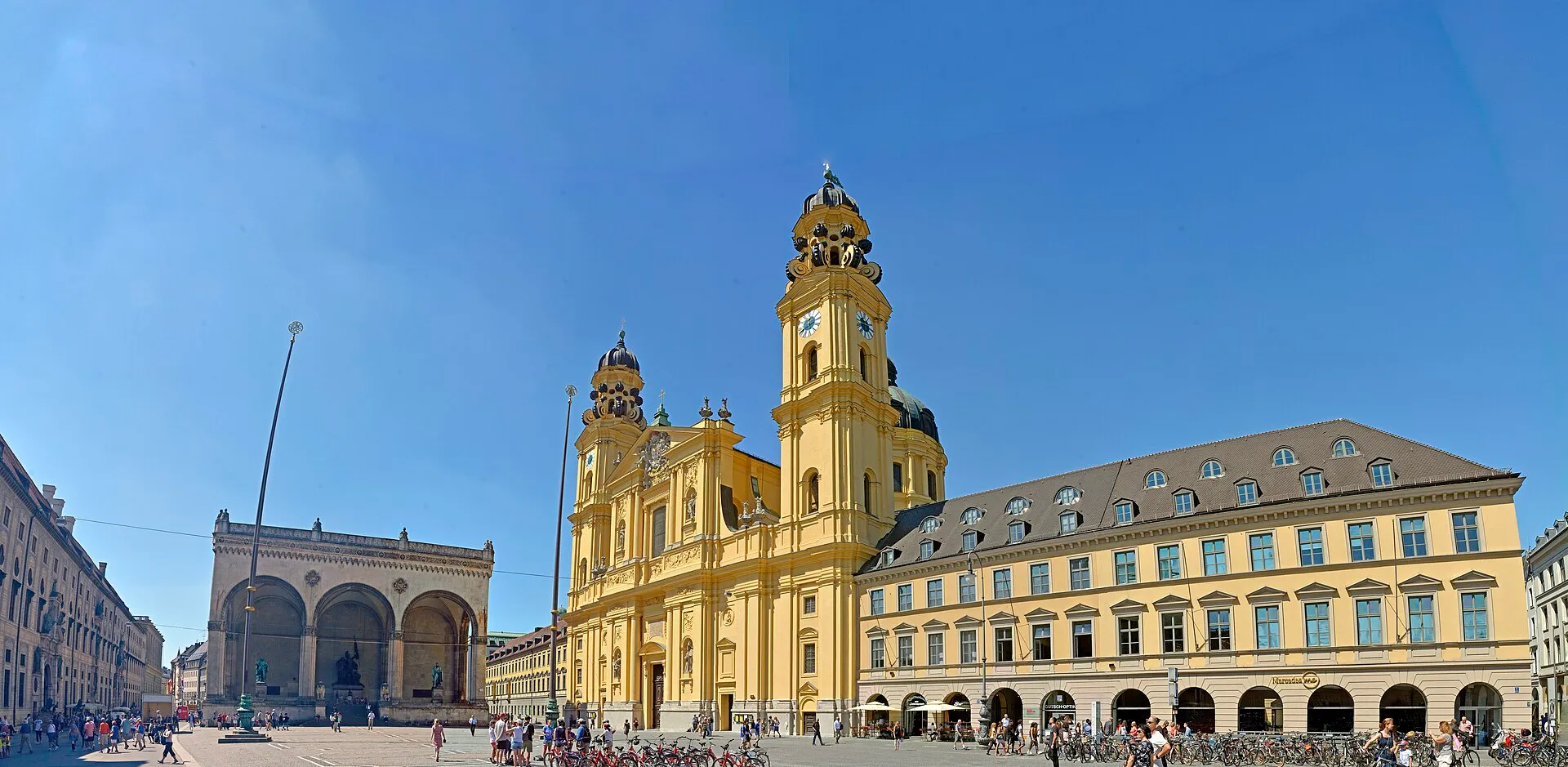
Which places in Munich have been checked?
36 places in and around Munich have been checked by the Gluti team, within roughly 15 kilometres.
By kind
- 13 restaurants
- 6 Italian restaurants and pizzerias
- 5 cafés
- 4 bakeries and patisseries
- 4 snack bars and pubs
- 2 ice cream parlours
- 1 Asian restaurant
- 1 shop
Which places these are, with a map and the month they were checked, is in the app. The numbers here change as soon as new places are checked.
Can you eat out gluten-free in Munich?
Yes, but you will rule out more on a Bavarian menu than elsewhere. Plenty is Italian, Asian or Indian, and that is no free pass: pasta, pizza, naan and chapati are wheat, soy sauce is classically brewed with wheat, and Indian hing (asafoetida) is usually bulked out with wheat flour. What works there are rice, maize and potato dishes, and even those only after you ask.
The mandatory allergen information lists only the 14 groups, but names the grain for gluten: wheat, rye, barley, oats, spelt or kamut. The ingredient list and the kitchen steps are not in it: a separate board, separate fat and a separate pot you have to ask about. How the checked places here work is shown below.
What should I know about Munich?
Munich is busy, almost all of the time. Around trade fairs, tables in the city centre are scarce, and then there is the festival calendar: the strong beer season, the Frühlingsfest (spring fair), the three Dulten (market fairs), the Oktoberfest and, from the Friday before Totensonntag in late November, the Christkindlmarkt (Christmas market). On the Theresienwiese, wheat is the backbone of everything on offer.
In those weeks the city centre kitchens cook on a conveyor belt and special requests cost time. Reserve if you can, and mention your question when you do. Buy ahead too, because shops in Bavaria stay closed on Sundays. Only stations, the airport, petrol stations, bakeries for a few hours and unstaffed mini markets open, and nowhere there can you rely on gluten-free products.
Which Bavarian dishes contain gluten?
We leave out the obvious: Semmelknödel (bread dumplings), liver dumpling and pancake soups, Leberkäs (meat loaf) in a roll, Kaiserschmarrn, Dampfnudel and Apfelstrudel are wheat dishes. This list covers the cases where the gluten hides in the beer, the thickening and the bread roll:
- Weißwurst (white sausage): A fine forcemeat of veal and pork back fat, nowadays often with pork as well, classically without flour. Wheat gets in through a ready-made spice preparation with breadcrumbs or wheat starch, and the Brezn (pretzel) with it is broken apart at the table. Only the written ingredient record or a packaged product labelled gluten-free is reliable.
- Obatzda (soft cheese spread): Cheese, butter, onion, paprika powder and caraway contain no gluten, but many recipes add a splash of beer, and it is often served straight on the bread board. Ask about beer, a ready-made preparation and a clean plate of its own.
- Münchner Schnitzel: Spread with sweet mustard and creamed horseradish, coated in flour, egg and bread or pretzel crumbs, and fried in clarified butter that has already had breaded food in it. Settle the horseradish too: traditional Semmelmeerrettich is thickened with breadcrumbs. Gluten-free needs its own coating, fresh fat and its own pan.
- Schweinsbraten, Haxe and Krustenbraten (roast pork, knuckle, crackling roast): All three are on almost every Munich pub menu and are topped up with dark beer or basted with beer stock, so the gluten ends up in the meat and not only in the gravy. Ask about the roasting juices, not just the gravy. Even without beer, the roast works only if the gravy too manages without flour and thickener and no bread dumplings sit in the pot.
- Kartoffelknödel (potato dumplings): Made from potatoes, starch, salt and egg, it is gluten-free. Four traps remain: toasted bread cubes in the middle, flour, semolina or soaked bread roll in the dough, the cooking water with bread dumplings in it, and the dumpling from a ready mix or frozen pack. The packet often says “may contain gluten”, even with no flour in the ingredient list.
- Brathendl (roast chicken): Chicken, oil, butter and herbs would be gluten-free, but kitchens use a ready-made spice preparation, often with breadcrumbs or wheat starch. Add the roasting juices and potato salad made with stock. Three questions: spice mix, gravy, stock.
- Steckerlfisch (fish on a stick): Usually a whole mackerel, at the stall also trout or whitefish, left in brine and grilled over charcoal, neither floured nor breaded. The brine can come from a ready-made spice preparation containing wheat, some brush the fish with beer, and the bread roll lies next to it. Ask about the spice mix and the marinade, and turn the bread down when you order.
- Bayerische Creme (Bavarian cream): A turned-out cream of milk, egg yolk, gelatine and cream, one of the few classic Bavarian desserts without grain. The fruit sauce is usually thickened with cornflour, occasionally with custard or sauce powder. Order it without the decoration of sponge fingers, biscuit crumbs or crushed pretzel.
Your best bets are Steckerlfisch without a ready-made spice mix, beer or bread roll, Bayerische Creme without the decoration and with a cornflour-thickened sauce, and meat, fish, vegetables and potatoes without breading, beer, flour or thickener, in their own fat and their own pot.
Can I bring my own food into a beer garden?
Bringing your own food has long been customary in Bavarian beer gardens, and for you that is the best news in the city. This means the self-service area with bare benches. There you unpack your own gluten-free bread, sausage, cheese and fruit. Drinks you buy from the landlord: lemonade, Spezi (cola and orange), apple juice with sparkling water, and water. Alcohol-free beer is no substitute, it is brewed from barley or wheat just the same.
Do not rely on it blindly: the custom appears in the explanatory notes to the Bavarian beer garden ordinance, not in its paragraphs, and in the end the landlord decides. At laid, reservable tables it does not apply.
At the self-service counter, Brezn, bread rolls, Schmalznudeln (fried sweet dough) and breaded food lie side by side. The information may be given verbally, but then a visible notice must be displayed and a written or electronic record of the ingredients must be available on request. If nothing is displayed and nobody knows the list, leave it. Radler, Russ and Diesel are beer with lemonade or cola, and malt beer is out too.
How does Gluti help me in Munich?
In Gluti the map shows which places in and around Munich are listed. Every place is checked by the Gluti team before it appears. The level tells you how a place works: “100% gluten-free”, “Separate preparation” or “Gluten-free options”.
Even checked information is no guarantee, because things can change in a kitchen. So ask every time anyway. Which questions work and which answers are a warning sign is in the article What to ask in a restaurant, and the background on fryers and toasters is in the article on cross-contamination. Because pretzels and bread rolls come with almost everything here, the guide on cafés and bakeries is worth a look, and for getting here, gluten-free travel. If you know a good place that is missing from Gluti, you can suggest it in the app. For talking to others, the German coeliac society (Deutsche Zöliakie-Gesellschaft, DZG) runs volunteer-led discussion groups across the country.