Gluti
Eating gluten-free in Salzburg
Salzburg is the city of the fortress, the Getreidegasse and the Festival, and its cooking is Alpine: dumplings, cheese from the Pinzgau, sweet soufflés. Much of it is made with flour, some of it is easy to work around. With the allergen letters on the menu and a few questions, you will get on well.
Gluti offers guidance and is not a medical device. Its information does not replace medical advice.
Which places in Salzburg have been checked?
16 places in and around Salzburg have been checked by the Gluti team, within roughly 15 kilometres.
By kind
- 4 bakeries and patisseries
- 4 restaurants
- 3 Italian restaurants and pizzerias
- 2 cafés
- 1 other place
- 1 snack bar or pub
- 1 vegetarian or vegan restaurant
Which places these are, with a map and the month they were checked, is in the app. The numbers here change as soon as new places are checked.
Can you eat out gluten-free in Salzburg?
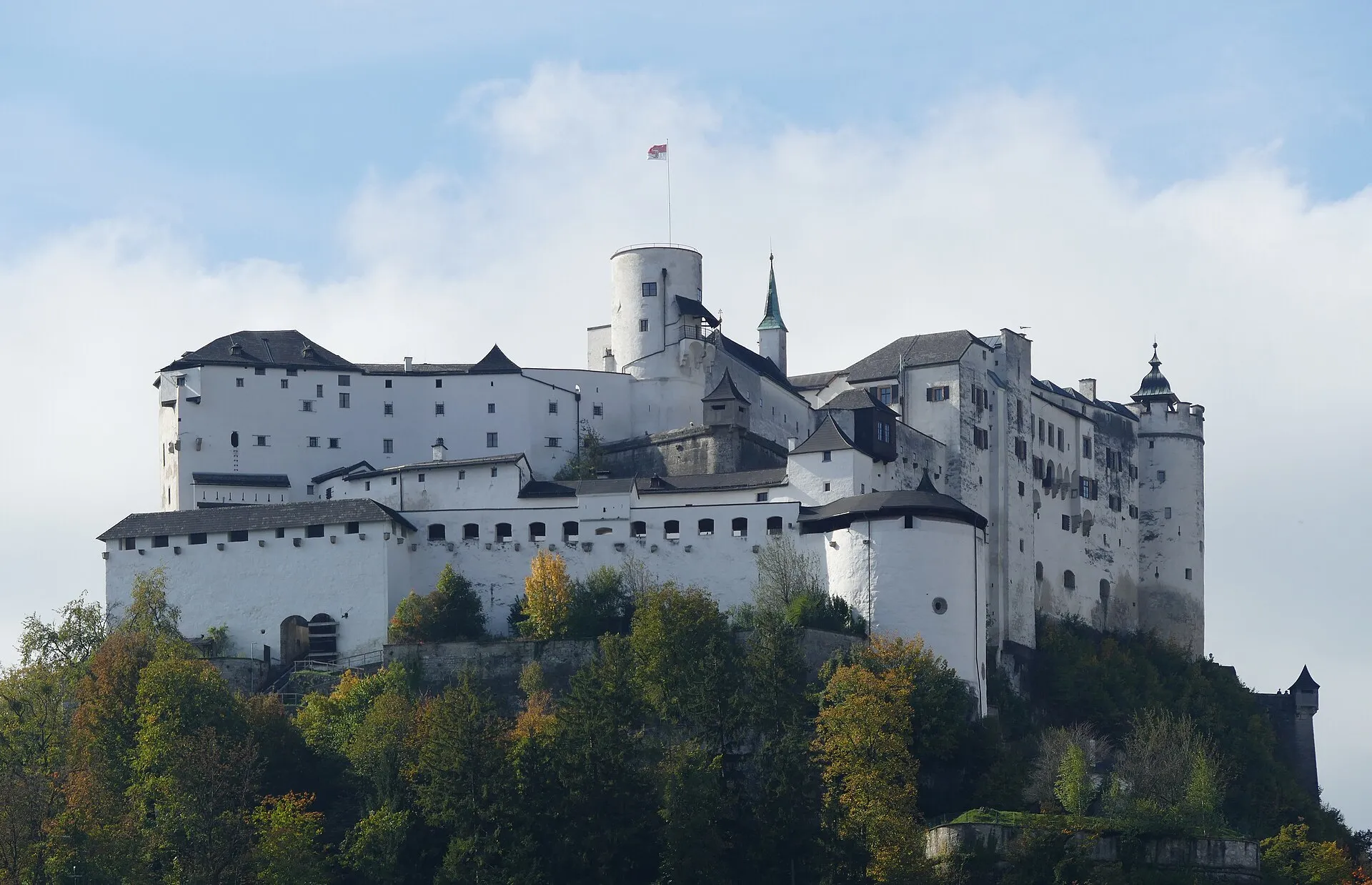
Yes. With a little over 150,000 people, Salzburg is Austria’s fourth-largest city. Alongside the traditional Gasthaus, the Austrian inn, there are cafés, bakeries and restaurants that cook or bake gluten-free, and many kitchens are familiar with coeliac disease. The old town on the left bank of the Salzach, with the Getreidegasse, the Domplatz and the Residenzplatz below the Hohensalzburg fortress, is small and easy to walk. Across the river lies the Neustadt around the Mirabell Gardens and the Linzer Gasse. So look at the map beforehand and allow for the journey; the trolleybuses get you across the city quickly.
Austria is part of the EU, so the same rules apply as in Germany. Restaurants must be able to tell you which of the 14 allergen groups are in a dish, and gluten is one of them. What this information does not cover is the same as anywhere: the fryer, the pasta water, the pan, the board the bread is cut on. That is the part you have to ask about.
What should I know about Salzburg?
The first thing is the letters. As everywhere in Austria, on many menus a row of capital letters follows each dish, and each letter stands for an allergen group. A means cereals containing gluten. You can see at a glance where flour, bread or breadcrumbs are involved. A missing A only means that gluten is not an ingredient, though. The letter says nothing about the fryer, the pan or the work surface, so ask about those.
The second thing is the language. Some words on a Salzburg menu concern you directly. Nocken and Nockerl are small pieces of dough or little dumplings, usually made from flour. Knödel are dumplings, in the mountains often made from cubes of bread roll. Kas is cheese, Brösel are breadcrumbs. Erdäpfel are potatoes, Schwammerl are mushrooms, Kren is horseradish.
And the third: Salzburg is a city of visitors. In the old town and during the Festival, kitchens are busy and fast. If you need time for questions, eat a little earlier or later.
Which Salzburg dishes contain gluten?
Salzburg cooking lives on dough, cheese and sweet things, but not everything on the menu is made with flour:
- Salzburger Nockerl (Salzburg soufflé): Light, oven-baked beaten egg white with sugar, egg yolk and vanilla, shaped into three peaks and often served on a fruit sauce. The classic recipe contains a little flour. Some kitchens use starch instead, so ask, and ask which dish and spoon are used.
- Mozartkugel (Mozart ball): A chocolate of marzipan, often with pistachio, and nougat, coated in dark chocolate. The basic ingredients contain no cereal, but recipes and production differ from one maker to the next. Check the ingredients and the allergen information on the packet.
- Pinzgauer Kasnocken (cheese dumplings): Small dumplings of flour, eggs and water or milk, melted in the pan with a strong cheese from the Pinzgau and topped with fried onions. The dough is made from wheat flour, so here the flour is the dish.
- Kaspressknödel (pressed cheese dumplings): Dumplings of cubed bread rolls, cheese, eggs and milk, pressed flat and fried in fat, served in soup or with salad. The rolls are made from wheat.
- Bosna (Salzburg sausage roll): Salzburg’s own sausage snack, a grilled bratwurst in a long white roll with onions, parsley and a spiced sauce with curry. The roll is made from wheat flour, and without asking you do not know what is in the sausage and the sauce either. Without the bread it is no longer a Bosna.
- Saibling (char): Fish from the lakes around Salzburg, like the Reinanke (whitefish), often fried whole or grilled. The fish itself is naturally gluten-free. “Nach Müllerin Art” (meunière), however, means it is dredged in flour before frying. Ask about flour and the pan, and order it plain fried or grilled.
- To drink: Wine, apple juice, cider and fruit brandies are naturally gluten-free. Beer made from barley or wheat contains gluten unless it says “gluten-free” explicitly. Malt beer and other malt drinks are made from barley malt and contain gluten.
Your best bets are fish and meat fried without breading, potatoes, salads and vegetables. Ask about the preparation there too, for instance whether things are fried in the same pan or whether the sauce is thickened with flour.
What should I watch for at the Christmas market and the Grünmarkt?
In Advent the Christkindlmarkt, the Christmas market, fills the Domplatz and the Residenzplatz, and in summer the Festival brings crowds into the old town. Then it is cramped, and everything moves fast at the stalls. At the Christmas market there are pastries, gingerbread, doughnuts and sausages in rolls, nearly all with flour, and the tongs and counters are shared between bread and sausage. Mulled wine is wine-based; with punch and other mixed drinks you do not know what is in them without asking. So plan a proper meal before or after. The same applies at a Bosna stand: the sausages sit on the same grill and go into the bread with the same tools.
The Grünmarkt on the Universitätsplatz is part of Salzburg, right in the old town. Fruit, vegetables, cheese, bacon and eggs are sold there directly at the stalls, and much of it is naturally gluten-free. With bread, pastries and baked goods, the same applies as in any bakery: flour is in the air and on the counter. At a mountain hut on a day trip into the surrounding hills, dumplings and bread usually dominate the menu as well. Ask there for simple things such as bacon, cheese or eggs, served without bread.
What do I say in a restaurant?
In Salzburg you speak German, and “Ich habe Zöliakie” (I have coeliac disease) is understood, and many staff speak English too. A few words help: “ohne Brösel” (without breadcrumbs), “ohne Brot” (without bread), “nicht in Mehl gewendet” (not dredged in flour), “nicht mit Mehl gebunden” (not thickened with flour). Ask explicitly about the fryer and the pan, and with Nockerl and dumplings whether there is a gluten-free version. And say that even a small amount harms you, so that nobody thinks a little flour will not matter.
The card to show works in Salzburg in German, printed out or as a picture on your phone. It can go into the kitchen as it is. Which questions work in general is in the article What to ask in a restaurant.
How does Gluti help me in Salzburg?
In Gluti you can see on the map which places in Salzburg are listed, from the old town out into the districts. Every place is checked by the Gluti team before it appears. The level tells you how a place works: “100% gluten-free”, “Separate preparation” or “Gluten-free options”. For many places you can also see whether other people would eat gluten-free there again and what they were able to eat.
Save a few favourites near where you are staying before your visit, plus a café for the afternoon, and you will not have to start searching when hunger strikes. If you know a good place in Salzburg that is missing from Gluti, you can suggest it in the app.
Even checked information is no guarantee, because things can change in a kitchen. So ask every time anyway. The background on fryers, pizza ovens and toasters is in the article on cross-contamination, and what to think about for the journey is in the guide to travelling gluten-free.